You are staring at the message again. The person on the other side says this is your last chance. The dashboard shows your small deposit has already grown. The Telegram group is full of people celebrating withdrawals. Someone just posted a screenshot claiming they turned $300 into $4,800 in two days. The “account manager” is polite, the website looks clean, the profit chart keeps moving upward, and every voice around you seems to say the same thing: send the money now before you miss it.
That is exactly where many crypto investment scams begin. Not with a poorly written email or a strange-looking website, but with pressure wrapped in professionalism. The most dangerous crypto scam is not always the one that looks suspicious. It is often the one that looks organized, urgent, profitable, and believable enough to make you ignore your own doubt. That is why learning how to know if a crypto investment is a scam before you send money is not just helpful; it can protect you from a mistake that may be very hard to reverse.
Crypto scams work because they target emotion before they target your wallet. They use fear of missing out, fake profits, confusing investment language, romantic attention, fake experts, fake trading platforms, and fake withdrawal rules to make beginners act quickly. Many victims do not send money because they are careless. They send money because the scam was designed to look real long enough for them to trust it.
This guide will help you slow down before sending money. You will learn how to spot a crypto investment scam, how fake crypto platforms create trust, how scammers hide fraud behind technical words, how to verify a crypto investment, and how common cryptocurrency scams look before the money disappears. This is not financial advice, and it will not tell you what to buy. It is a practical crypto safety guide for beginners who want to think clearly before they risk their money.
The First Warning Sign: Someone Is Rushing You to Send Money Before You Understand the Investment
Urgency is one of the strongest crypto scam warning signs because it attacks the part of your mind that needs time to think. A scammer does not want you to research the platform, compare information, search for complaints, ask an independent person, or sleep on the decision. They want you inside the emotional moment where the offer feels too good to ignore and too urgent to question.
That pressure may sound direct, but it can also sound friendly, flattering, or professional. Someone may say, “I only shared this because I believe you are serious.” Another person may say, “This is not for everyone, only smart investors who act early.” A fake trader may tell you, “If you delay, you will miss the next Bitcoin move.” A fake platform may display a countdown timer, a limited bonus, or a message saying deposits must be completed today to unlock your account.
These tactics are not random. They are designed to move you from thinking to reacting. When someone says, “Send money now before the price doubles,” they are not giving you time to understand the investment. When a platform says, “Only the first 100 investors can join,” it may be trying to create artificial scarcity. When support says, “You must deposit today to unlock your profit,” that is not normal investing language; that is pressure. When a promoter says, “This opportunity is only for serious investors,” they may be trying to make your questions feel like weakness.
A real investment should be able to survive time. It should allow questions. It should allow independent checking. It should make sense when you are calm, not only when you are excited. If a crypto opportunity becomes less convincing the moment you remove the pressure, that is a serious warning sign.
Be careful when the person promoting the investment reacts badly to questions. A scammer may become angry, impatient, offended, overly flattering, or threatening when you ask for proof. They may say you are not serious. They may accuse you of being negative. They may tell you that other people are already making money while you are wasting time. They may try to make you feel foolish for not understanding crypto. That reaction tells you something important: they need you to obey quickly, not understand clearly.
Before you send money, use this simple pause test:
- Who is asking me to send money?
Is it a licensed company, a known exchange, a public team, or a stranger from WhatsApp, Telegram, Instagram, TikTok, Facebook, a dating app, or a private message? - Why must I send it now?
Is there a real reason for the deadline, or is urgency being used to stop me from researching? - What proof do I have outside their own website or screenshots?
Can I find independent reviews, real regulatory details, credible public information, and evidence from sources not controlled by the promoter? - Can I withdraw a small amount without paying extra fees?
If the platform shows profit but demands taxes, release fees, upgrade fees, gas fees, or verification payments before withdrawal, treat that as a major red flag. - Would this still make sense if I removed the excitement and pressure?
If the investment only feels convincing because you are afraid of missing out, pause.
One of the best rules for beginner crypto safety is simple: never let someone else’s urgency become your decision-making system. A real opportunity does not need to trap you inside panic. A crypto investment scam often does.
How Fake Crypto Platforms Use Beautiful Websites, Fake Dashboards, and Fake Profits to Build Trust
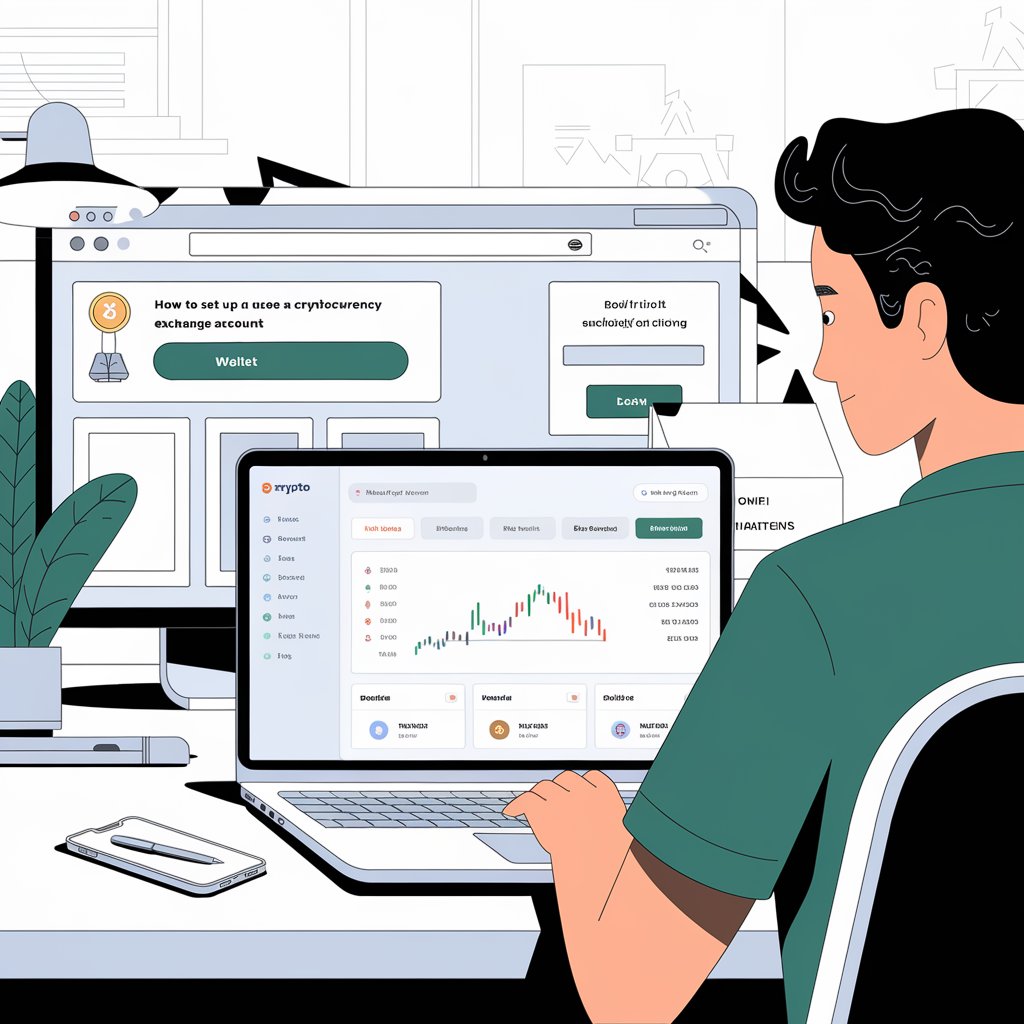
Many people imagine a fake crypto investment platform will look messy, broken, or obviously suspicious. That assumption is dangerous. A fake crypto exchange or fake trading platform can have a polished homepage, a login page, a customer support chat, a dashboard, trading charts, account levels, referral bonuses, profit histories, fake company registration pages, and even a “withdraw” button that appears to work.
The website may look professional because scammers understand one thing very well: beginners often confuse appearance with legitimacy. A beautiful dashboard does not prove real trading is happening. A moving chart does not prove your money is invested. A large balance on your screen does not mean real funds exist. If the platform is controlled by scammers, they can type any balance they want into your account. They can show fake profits, fake trades, fake deposits, fake withdrawal records, and fake account growth.
This is how fake crypto profits become an emotional trap. Imagine someone deposits $200 into a platform recommended by a stranger online. Within two days, the dashboard says the account is worth $1,500. The investor feels excited and relieved. They may think, “This is real. I can see the money.” But the number on the screen may only be a psychological tool. It may exist for one reason: to make the person deposit more.
Then the trap deepens. The platform may say the investor must pay a “tax fee” before withdrawal. A support agent may say the account is frozen until another deposit is made. The investor may be told to upgrade to a higher plan to unlock earnings. The fake trader may say a bigger deposit is needed to enter the next trading cycle. Sometimes the platform allows one small withdrawal at the beginning to build trust. After that, larger withdrawals are blocked with new excuses.
This is why seeing numbers on a website is not the same as verifying ownership of funds. Real ownership means you can confirm where the funds are, understand how the investment works, review clear withdrawal rules, and access your money without being forced into endless extra payments. Fake dashboards are designed to make you feel like you are already winning, because people are more likely to send more money when they believe profit is already waiting.
Before using any crypto investment platform, check it carefully:
- Search the platform name with words like “scam,” “reviews,” “withdrawal problem,” “complaint,” “fake exchange,” and “crypto fraud.”
- Check whether the company has real leadership, a real location, clear contact information, and regulatory details that can be verified outside its own website.
- Look for copied website text, fake testimonials, stock photos, unrealistic income claims, and vague explanations of how profits are made.
- Be suspicious if all communication happens through WhatsApp, Telegram, Instagram, Facebook, or one private “account manager.”
- Check whether the platform explains risk, fees, liquidity, withdrawal rules, trading strategy, and account restrictions in clear language.
- Be cautious if the website is new, has no real online history, and is only promoted by private groups or influencers.
- Never trust a dashboard simply because it shows profit. Ask whether you can verify the investment outside the platform’s own system.
A fake crypto platform may look serious because the scam needs your trust. The website is not always the business. Sometimes the website is the bait.
The Biggest Crypto Scam Red Flags Beginners Ignore Because They Sound Like Normal Investment Language
Crypto scams often hide behind words that sound smart, technical, and profitable. This is one reason beginners miss the warning signs. They hear terms like AI trading bot, whale signal, liquidity pool, staking bonus, arbitrage cycle, smart contract mining, guaranteed yield, private presale, and high-frequency trading, and they assume the confusion is their fault. But confusion should never be used as pressure. If someone cannot explain the investment in simple words, or they make you feel foolish for asking, you should slow down.
Scammers know how to make fraud sound like opportunity. They may use normal investment language but attach impossible promises to it. They may talk about Bitcoin, altcoins, DeFi, mining, staking, trading bots, or token launches in a way that sounds impressive but does not give clear proof. They may tell you the system is too advanced for beginners to understand, so you should simply invest and watch your profits grow. That is not education. That is manipulation.
Guaranteed returns are especially dangerous in crypto. Crypto prices can rise or fall sharply. Real trading involves risk. Real tokens can lose value. Real exchanges have market risk. Real DeFi projects can fail. Any person or platform promising fixed, fast, and high returns should be treated with serious suspicion. A claim like “5% daily profit with no risk” may sound exciting, but it raises a basic question: if this system truly produces safe guaranteed profit every day, why would strangers need your small deposit?
Here are common scam phrases beginners often ignore, and what they may really mean:
- What they say: “Guaranteed daily profit.”
What it may mean: The investment may be fake, unsustainable, or structured like a crypto Ponzi scheme.
What you should check: Ask how profits are created, whether losses are possible, and why the return is fixed when crypto markets are volatile. - What they say: “Risk-free crypto trading.”
What it may mean: The promoter is hiding the real risk or lying about the investment.
What you should check: Look for a clear risk disclosure. If there is no risk explanation, that is a red flag. - What they say: “AI trading bot with guaranteed returns.”
What it may mean: The phrase “AI” may be used to make a fake trading platform sound advanced.
What you should check: Ask for verifiable performance records, company details, risk disclosures, and independent reviews. - What they say: “Double your Bitcoin.”
What it may mean: This is a classic Bitcoin scam promise.
What you should check: Ask why anyone would need your Bitcoin to double it. In most cases, this promise should be avoided. - What they say: “Pay a release fee to withdraw.”
What it may mean: The scammer may be trying to steal more money after showing fake profits.
What you should check: Review the withdrawal rules before depositing. Be very cautious if new fees appear only after you request withdrawal. - What they say: “Private whale signal group.”
What it may mean: It could be a pump-and-dump crypto scam where insiders benefit while late buyers lose.
What you should check: Ask who controls the group, whether the token has real liquidity, and whether the promoter is being paid. - What they say: “No need to understand, just invest.”
What it may mean: The person wants obedience, not informed consent.
What you should check: If you cannot explain the investment in simple words, do not rush. - What they say: “This coin will 100x next week.”
What it may mean: It may be hype without evidence, especially with meme coins or low-liquidity tokens.
What you should check: Look at tokenomics, trading volume, exchange listings, team credibility, liquidity, and independent discussion. - What they say: “The exchange is new, so you cannot find much online.”
What it may mean: The promoter may be using newness as an excuse to avoid verification.
What you should check: Verify company registration, domain age, founders, regulatory information, and user complaints.
Scam language often has one goal: to make you feel that asking questions means you are not smart enough. But safe crypto investing begins with the opposite mindset. If the investment cannot be explained clearly, checked independently, and understood without pressure, it does not deserve your money.
How to Verify a Crypto Investment Before You Send Money: A Simple Due Diligence Checklist
You do not need to become a blockchain expert overnight to protect yourself. You only need to know enough to avoid obvious traps, slow down when pressure appears, and check claims before sending money. Crypto due diligence is not about proving that something is perfect. It is about finding enough trustworthy information to decide whether the opportunity is real, risky, unclear, or possibly fraudulent.
Use this simple due diligence checklist before you send money to any crypto trader, coin, platform, mining offer, DeFi project, signal group, investment group, or private promoter.
- Verify the person promoting the investment.
Start with the person who brought the opportunity to you. Are they using a real name? Do they have a public history? Can you verify their professional background? Are they connected to real projects outside the group where they are promoting the investment? Be careful with profiles that use stolen photos, luxury lifestyle images, vague job titles, or sudden friendship. A person may call themselves a crypto mentor, trader, analyst, portfolio manager, or blockchain expert, but titles are easy to invent.Search their name, username, profile photo, phone number, and business name. Check whether their online presence existed before they started promoting this investment. Be careful if they avoid video calls, refuse basic questions, or only communicate privately. - Verify the company or platform.
A real company should not exist only inside a website and a Telegram group. Check the domain age, company registration, regulatory claims, leadership team, contact details, and user complaints. If the website claims to be registered, verify that registration through the official source, not only through a screenshot. If the platform claims to be an exchange, check whether it is recognized outside its own marketing materials.Be careful with platforms that have no real address, no named leadership, no clear legal terms, no transparent withdrawal policy, and no independent discussion online. A fake crypto exchange may copy content from another site, use fake certificates, or display logos of trusted companies without permission. - Verify the investment claim.
Ask one simple question: how does this investment make money? If the answer is unclear, emotional, or full of buzzwords, pause. A real investment should have a business model, trading strategy, token utility, or market explanation that can be understood. Be very cautious with claims that focus only on profit and never explain risk.Ask these questions:- What is the source of profit?
- Who loses money if I gain money?
- What market risk exists?
- What fees apply?
- What happens if the token price drops?
- Is the return fixed, or can it change?
- Is the platform using new investors’ deposits to pay older investors?
- Verify withdrawal rules before depositing.
Many victims only read withdrawal rules after the platform blocks their money. Do not wait until then. Before depositing, check minimum withdrawal amounts, fees, identity checks, lock-up periods, tax rules, account restrictions, and processing times. Be especially careful if the platform says you must pay a separate fee before withdrawing your own money.A common crypto withdrawal scam works like this: the account shows profit, but withdrawal is blocked until the investor pays a tax fee, gas fee, security deposit, verification fee, release fee, anti-money-laundering fee, or account upgrade fee. After the first fee is paid, another fee appears. This can continue until the victim stops paying. - Verify the token or coin.
If you are being asked to buy a coin, token, meme coin, presale, or DeFi project, check whether it has real trading volume, real exchange listings, transparent tokenomics, a public team, a clear use case, and independent discussion outside the promoter’s own group. Low-liquidity tokens can be easy to manipulate. Some tokens are built so buyers can purchase but cannot sell easily. Some projects launch with hype, collect money, and disappear in a crypto rug pull.Ask whether the team is public, whether liquidity is locked, whether the contract has been reviewed, whether large wallets control most of the supply, and whether independent crypto communities are discussing the project. If all praise comes from the same promoter, group, or influencer network, be careful. - Verify the wallet address or payment method.
Sending crypto is usually irreversible. Once you send coins to a wallet address, you may not be able to reverse the transaction. Be careful when someone asks you to send funds to a personal wallet, unknown address, or platform you cannot independently verify. Do not assume that a QR code, wallet address, or payment link is safe because it was sent by someone who sounds professional.Watch for payment requests that avoid traceable business systems. If a supposed investment company wants payment into a personal wallet, personal bank account, gift card, or private crypto address, slow down immediately. - Ask an independent person before sending money.
Scammers try to isolate victims. They may say, “Do not tell anyone because they will discourage you,” or “This is private information.” That secrecy protects the scammer, not you. Before sending money, ask someone who is not emotionally involved, not part of the investment group, and not benefiting from your deposit. A calm outside person may notice red flags you missed because you were excited, afraid, or emotionally attached.
Before you send money, ask yourself:
- Have I confirmed this platform outside its own website?
- Have I searched for complaints?
- Do I understand how the investment makes money?
- Is anyone promising guaranteed profit?
- Can I explain this investment in simple words?
- Is the person rushing me?
- Am I being asked to pay more money to withdraw?
- Would I still invest if there were no screenshots, bonuses, or pressure?
The goal of this crypto safety checklist is not to remove every risk. No checklist can do that. The goal is to stop obvious crypto fraud before your money leaves your control.
Real-Life Crypto Scam Patterns: What They Look Like Before the Money Disappears
Crypto scams often follow patterns. Once you understand the pattern, you are less likely to be impressed by the performance. The details may change, but the structure is often the same: trust is built, profit is shown, pressure increases, withdrawals are blocked, and the victim is asked for more money.
Here are realistic examples that reflect common cryptocurrency scams.
Example 1: The Fake Trader
A beginner sees a social media post from a “crypto expert” who claims to help people earn through Bitcoin trading. The profile has luxury photos, client testimonials, and screenshots of successful trades. The trader says the beginner can start with $300. After the deposit, the trader sends screenshots showing the account has grown to $2,700. The beginner asks to withdraw. The trader says a 15% withdrawal fee must be paid first.
What made it look believable was the expert image, the profit screenshots, and the friendly communication. What the victim missed was that the profits were never independently verified. The red flag was the demand for a fee before withdrawal. What the reader should do differently is verify the trader’s identity, avoid sending money to strangers, and never trust screenshots as proof of real profit.
Example 2: The Romance Crypto Scam
Someone meets a kind, attentive person online. The conversation begins with friendship and slowly becomes emotional. Over time, the person says they have been investing safely in crypto and wants to help. They introduce a platform that looks professional and say it is private but trusted. The victim feels cared for and believes the recommendation is personal, not promotional. After depositing money, the dashboard shows profits. Later, withdrawal is blocked unless more money is paid.
What made it believable was emotional trust. The victim felt chosen, protected, and guided. What the victim missed was that the investment was introduced after emotional dependence had been created. The red flag was the move from romance to money. What the reader should do differently is separate emotional connection from financial decisions and never send money to a platform introduced by someone they only know online.
Example 3: The WhatsApp or Telegram Group Scam
A person is added to a Telegram crypto group. Many members are posting profits, thanking the admin, and showing withdrawal screenshots. The group feels active and successful. The admin says new members can join the next trading cycle if they deposit before midnight. The person sends money because many others appear to be winning. After requesting withdrawal, the admin says the account needs an upgrade.
What made it believable was social proof. The victim saw many people celebrating, so it felt safe. What the victim missed was that the testimonials could be fake accounts controlled by the scammers. The red flag was the urgent group deadline and private deposit instruction. What the reader should do differently is avoid treating group excitement as proof and verify the platform outside the group.
Example 4: The Pump-and-Dump Token
A promoter says a new coin is about to explode. They claim insiders, whales, and influencers are entering early. The chart begins to rise, and people rush to buy. After enough new buyers enter, early insiders sell their tokens. The price collapses, and late buyers are left holding coins they cannot sell at a fair price.
What made it believable was the rising chart and excitement around early entry. What the victim missed was that insiders may have controlled the supply and timing. The red flag was the promise that the coin would “100x next week” without strong evidence. What the reader should do differently is check liquidity, token distribution, real use case, independent analysis, and whether the promoter benefits from the hype.
Example 5: The Fake Withdrawal Trap
An investor deposits money into a fake crypto platform and sees profit. When they try to withdraw, the platform says they must pay taxes first. After paying taxes, they are told to pay a security fee. After that, they must pay a verification fee. Each payment creates another demand. The investor keeps paying because they believe the larger balance is real and only one more payment is needed.
What made it believable was the visible account balance. The victim felt the money already existed. What the victim missed was that the platform controlled the numbers on the screen. The red flag was being asked to pay more money to access supposed earnings. What the reader should do differently is understand withdrawal rules before depositing and stop immediately when new fees are demanded.
The best time to stop a crypto scam is before the first payment. Once money is sent, especially through crypto, recovery may be difficult or impossible. That does not mean victims should feel ashamed. These scams are designed to deceive. But it does mean the strongest protection is prevention: pause, verify, ask questions, and refuse pressure.
Want Simple Crypto Guidance Before You Risk Your Money?
Join Your Crypto Digest Newsletter for beginner-friendly crypto breakdowns, scam warning signs, safety checklists, market safety tips, and clear explanations that help you understand crypto without hype, confusion, or pressure.
If you want simple crypto guidance before you risk your money,
Your Crypto Digest Newsletter helps you slow down, spot red flags, understand what is real, see what may be risky, and know what deserves a second look before you send money.
No hype. No income promises. Just clear crypto education, scam awareness, and practical guidance for people who want to make smarter, safer decisions.
Frequently Asked Questions
1. How can I tell if a crypto investment is a scam?
You can often tell a crypto investment may be a scam by looking for pressure, secrecy, guaranteed returns, fake dashboards, unclear business models, withdrawal problems, and communication through private channels only. If someone is rushing you to deposit, promising fixed daily profit, showing screenshots instead of verifiable proof, or asking you to pay extra money before withdrawing, those are serious crypto scam warning signs.
A good rule is to ask whether the investment can survive calm questions. Can you verify the platform outside its own website? Can you find real leadership and independent reviews? Do you understand how the investment makes money? Can you withdraw without surprise fees? If the answer is no, pause before sending money.
2. Is any crypto investment that promises guaranteed returns a scam?
Any crypto investment that promises guaranteed returns should be treated with extreme caution. Crypto markets are volatile, and real investments carry risk. Prices can move up or down quickly. Trading strategies can fail. Tokens can lose value. Platforms can face liquidity problems. Because of this, promises like “guaranteed daily profit,” “risk-free crypto trading,” or “double your Bitcoin” are major red flags.
This does not mean every person using confident language is automatically running a scam, but fixed, fast, high returns in crypto are often linked to fraud, Ponzi schemes, fake trading platforms, or misleading promotions. Before sending money, ask for a clear explanation of risk, fees, strategy, and withdrawal rules.
3. What should I do if a crypto platform asks me to pay a fee before withdrawing my money?
Be very careful. A request for extra money before withdrawal is one of the most common crypto withdrawal scam tactics. Scammers may call the fee a tax, gas fee, security deposit, account upgrade, verification payment, anti-money-laundering charge, or release fee. After you pay one fee, they may demand another.
Do not keep paying simply because the dashboard shows a large balance. The balance may be fake. Save screenshots, transaction records, wallet addresses, website links, messages, and names used by the platform. Consider reporting the situation to the relevant fraud, consumer protection, or cybercrime authority in your country. Recovery may be difficult, so the most important step is to stop sending more money.
4. Can I recover money after sending crypto to a scammer?
Recovering money after sending crypto to a scammer can be difficult because crypto transactions are usually irreversible. Once funds are sent to a wallet address, they may be moved quickly through different wallets or exchanges. Some victims may be able to report the transaction, provide evidence, or work with law enforcement, but there is no guaranteed recovery.
Be careful of “recovery agents” who contact victims and promise to get the money back for a fee. Some of them are also scammers. If you have lost money, gather evidence, avoid paying more fees, report the scam through official channels, and speak with trusted professionals or authorities where appropriate.
5. How do I safely research a crypto investment before sending money?
Start by verifying the person, platform, investment claim, withdrawal rules, token details, and payment method. Search the platform name with words like “scam,” “complaint,” “withdrawal problem,” and “reviews.” Check whether the company has real leadership, real contact details, clear legal information, and independent discussion online. If a coin is involved, look at trading volume, exchange listings, liquidity, tokenomics, team transparency, and whether the project has a real use case.
Also ask someone independent before sending money. Do not rely only on the promoter, the Telegram group, the WhatsApp admin, the person you met online, or the platform’s own dashboard. Safe research means stepping outside the sales environment and looking for proof that the promoter does not control.
Conclusion
The safest crypto decision is not always the fastest one. A real crypto opportunity should survive questions, delays, research, and independent verification. It should not depend on pressure, secrecy, guaranteed profits, fake dashboards, emotional manipulation, or withdrawal fees that appear only after you ask for your money.
Before you send money, pause. Ask who is asking for it, why it must be sent now, how the investment makes money, whether the platform can be verified, and whether the profit shown on the screen is real or only a number controlled by someone else. The most important lesson in how to know if a crypto investment is a scam before you send money is simple: do not let urgency make the decision for you.
Verify before you send money. Question before you trust. Learn before you risk. And if you want clear, hype-free crypto education that helps you understand scams, safety checks, and beginner crypto risks, join Your Crypto Digest Newsletter for simple guidance you can use before the pressure begins.
Suggested Similar Articles:
- USDT vs USDC: Which Stablecoin Is Safer for Beginners Who Do Not Want to Lose Money?
- The Beginner’s Guide to Stablecoins: How USDT, USDC, and Digital Dollars Work Before You Risk Your Money
- Stablecoin Wallets for Beginners: What to Check Before You Store Digital Dollars
- How to Evaluate the Potential of a Cryptocurrency
- Why Bitcoin is Considered the Gold of Cryptocurrency