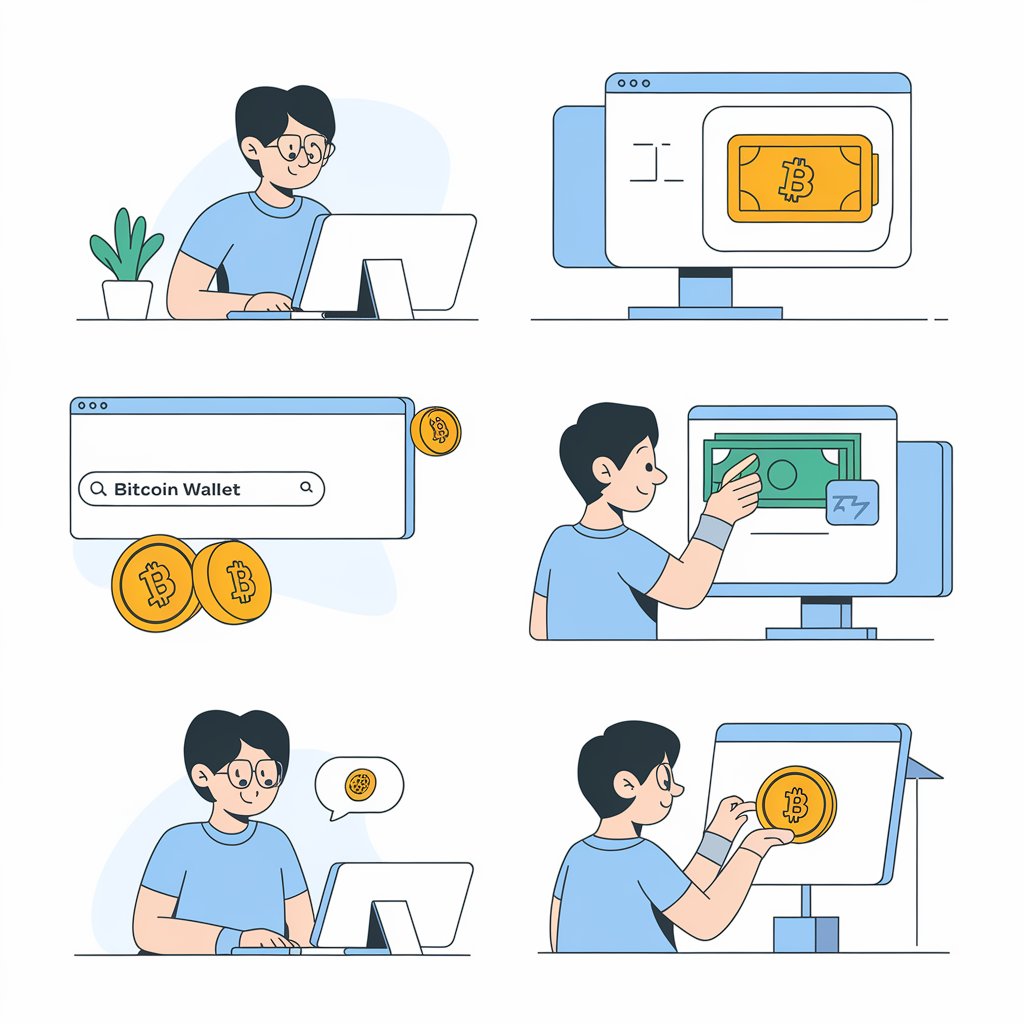
A donor may already want to give your organization Bitcoin, Ethereum, USDC, USDT, Solana, or another digital asset, but the real question is not whether crypto giving sounds modern or exciting. The real question is whether your nonprofit, church, charity, NGO, or faith-based organization has a safe way to receive the gift, document it, convert it if needed, issue the right receipt, protect donor trust, and avoid creating a confusing mess for your finance team.
That is why crypto donation platforms matter.
Without the right platform, a nonprofit leader may think accepting crypto means opening a random wallet, copying a public address, posting it on the website, and hoping the donor sends the right coin on the right network. That is a dangerous way to start, especially for organizations that do not have in-house blockchain knowledge, gift acceptance policies, accounting support, or clear internal controls for digital assets.
The better path is to use a crypto donation platform built for charitable giving, donor documentation, asset conversion, nonprofit compliance, and easier reporting. Platforms such as The Giving Block, Engiven, Every.org, BitPay, Endaoment, and Charityvest exist because most nonprofits do not want to become crypto traders.
They want to raise more money, serve more people, and make it simple for donors with appreciated digital assets to give. The Giving Block, for example, describes its donation form as a secure, compliant, donor-friendly solution and says it works with thousands of nonprofits, faith charities, schools, and universities. (The Giving Block)
This guide explains what crypto donation platforms do, which types of organizations they are best for, what to check before choosing one, and how nonprofit leaders can accept crypto gifts without getting trapped by wallet mistakes, tax receipt confusion, price volatility, or donor identity problems.
Why Nonprofits Are Paying Attention to Crypto Donations
Crypto giving is not only for tech startups, Web3 communities, or wealthy investors who talk in blockchain language. It is becoming part of the wider noncash giving conversation, the same way stock gifts, donor-advised funds, and online giving tools became normal for many nonprofits over time.
For nonprofits, crypto donations can matter because many crypto holders have assets that increased in value. Some donors may prefer to give appreciated assets instead of selling them first and donating cash. Others may want to support causes quickly from a digital wallet. Younger donors, tech professionals, founders, investors, and digital-first communities may also see crypto giving as a natural extension of how they manage money.
For the nonprofit, the opportunity is simple: if a donor is willing to give, the organization should not lose the gift because it has no safe acceptance process.
However, crypto is not the same as a normal debit card donation. It can be volatile. It may involve complex donor questions. It may require clear records. It may need to be treated as a noncash contribution.
The IRS says a charitable organization that receives virtual currency should treat the donation as a noncash contribution, and tax-exempt charity responsibilities can include proper acknowledgment, Form 8282 reporting in some cases, and signing Form 8283 when applicable. (IRS)
That is why nonprofits should not rush into crypto by simply creating a wallet. They need a system.
A good crypto donation platform can help with several things:
- Giving donors a simple donation page
- Accepting multiple cryptocurrencies
- Converting crypto to cash if the nonprofit does not want to hold crypto
- Reducing exposure to price volatility
- Producing donor receipts or donation records
- Helping the nonprofit track gifts
- Making the donation experience feel professional
- Protecting the organization from avoidable wallet and network mistakes
For a nonprofit leader, the goal should not be to “become crypto expert overnight.” The goal should be to build a safe crypto giving pathway before the right donor asks.
What Is a Crypto Donation Platform?
A crypto donation platform is a fundraising tool that helps organizations receive cryptocurrency gifts from donors. Depending on the platform, it may accept Bitcoin, Ethereum, USDC, USDT, Solana, DAI, Dogecoin, and many other digital assets.
Some platforms are built specifically for nonprofits. Others are broader payment processors that allow crypto payments but may not provide the same nonprofit-specific support. This difference matters.
A nonprofit crypto donation platform may help with:
- Donation forms
- Donor receipts
- Automatic conversion to cash
- Donor identity collection
- Campaign pages
- Integration with a nonprofit website
- Gift records
- Support for major crypto assets
- Compliance-friendly documentation
- White-glove support for larger gifts
For example, Every.org says it acts as the official 501(c)(3) recipient of the cryptocurrency donation and the nonprofit receives cash, which can be attractive for organizations that do not want to directly hold crypto on their own books. (Every.org)
That single feature solves one major fear for nonprofits: “What if we receive crypto and the value drops before we can use it?”
Some platforms convert the gift quickly into USD or another fiat currency. Others may allow crypto to be held. Some help with donor-advised fund giving. Others are better for churches, ministries, universities, or large institutions.
The platform you choose should depend on your organization’s size, donor base, risk tolerance, accounting capacity, and fundraising goals.
A small community nonprofit does not need the same setup as a national charity receiving six-figure crypto gifts. A church may need different donor communication than a university. An international NGO may need to think carefully about country rules, banking, anti-money laundering controls, and whether the platform supports its jurisdiction.
The best platform is not always the one with the longest list of coins. The best platform is the one that helps your organization accept crypto safely, document gifts clearly, and avoid operational confusion.
Best Crypto Donation Platforms for Nonprofits, Churches, Charities, and NGOs
Below are several crypto donation platforms and tools nonprofit leaders should understand before choosing one.
1.The Giving Block
The Giving Block is one of the best-known crypto donation platforms for nonprofits, universities, faith-based organizations, and charities. It positions itself as a major crypto fundraising solution and says its platform helps nonprofits accept crypto, stocks, and donor-advised fund donations. (The Giving Block)
The Giving Block may be a strong fit for organizations that want a dedicated crypto fundraising platform, branded donation forms, campaign support, and access to many crypto donors. It says it supports more than 100 cryptocurrencies, including Bitcoin, Ethereum, Solana, USDC, Dogecoin, and others. (The Giving Block)
This type of platform can work well for:
- Mid-sized and large nonprofits
- Faith charities
- Universities and schools
- Health organizations
- Humanitarian charities
- Animal welfare organizations
- Environmental nonprofits
- Nonprofits that want to run crypto giving campaigns
The main advantage is that The Giving Block is built around nonprofit crypto fundraising, not just general crypto payment processing. The possible downside is that smaller organizations should review pricing, onboarding requirements, and whether they have enough donor demand to justify the platform.
2. Engiven
Engiven is another strong option for nonprofits, churches, ministries, and universities that want to accept crypto and stock donations. Engiven says its platform allows nonprofits, ministries, and universities to accept stock and crypto donations safely. (engiven.com)
Engiven may be especially relevant for churches and faith-based organizations because it has specific positioning for ministries. Its ministry page says Engiven helps churches and ministries raise funds through cryptocurrency and stock donations, and it also mentions white-glove services for valued donors. (engiven.com)
This can be useful when a church member, major donor, business owner, or tech professional wants to give crypto but the organization does not know how to process the gift.
Engiven may be a good fit for:
- Churches
- Ministries
- Faith-based nonprofits
- Universities
- Larger donor-supported organizations
- Organizations that expect major crypto or stock gifts
For faith-based organizations, the key benefit is that the platform understands the language of ministry giving and not just general nonprofit fundraising.
3. Every.org
Every.org is a nonprofit fundraising platform that allows nonprofits to accept cash, stock, crypto, mobile wallet, and donor-advised fund donations. (Every.org)
One of the most helpful features for smaller nonprofits is that Every.org can receive the crypto donation and send the nonprofit cash. Every.org says its exchange partners instantly convert the crypto donation to USD that the nonprofit can use, with exchanges charging a 1% fee and Every.org charging 0. (Every.org)
This is very important for small nonprofits that do not want to hold crypto, manage private keys, open an exchange account, or explain market volatility to board members.
Every.org may be a strong fit for:
- Small nonprofits
- Newer nonprofits
- Organizations without crypto knowledge
- Nonprofits that want cash instead of crypto
- Organizations already listed on Every.org
- Donors who want a simple giving process
Every.org has also reported significant crypto donation activity, saying in a March 2026 post that it had processed 4,269 crypto donations totaling $66 million for 1,144 nonprofits since inception. (Every.org Blog)
4. BitPay
BitPay is more of a crypto payment processor than a nonprofit-only fundraising platform, but it has a page for nonprofit organizations. BitPay says nonprofits can accept crypto donations and get settled in cash the next day, and it also says organizations can accept crypto without touching or holding cryptocurrency. (bitpay.com)
This may be useful for organizations that want a payment-style solution and do not need a full nonprofit fundraising platform. The benefit is speed and conversion. The limitation is that nonprofits may need to handle more of their own donor stewardship, campaign strategy, and tax documentation process.
BitPay may fit:
- Organizations that want cash settlement
- Nonprofits with some technical support
- Groups that want no-code integrations
- Organizations that prefer not to hold crypto
Before choosing BitPay, a nonprofit should ask whether it needs donor management, automated receipts, campaign pages, CRM integration, or nonprofit-specific support.
5. Endaoment
Endaoment is a tax-exempt community foundation focused on social impact. It allows donors to give cash, stocks, crypto, private assets, and more, and says donors can recommend grants to nonprofits. (endaoment.org)
For nonprofits, Endaoment says it offers modern donation infrastructure and that grants are delivered to a linked payout account after the organization’s claim is approved. (endaoment.org)
Endaoment may be useful for donors who want a donor-advised fund style giving experience connected to digital assets. It may also be useful for nonprofits that want to receive grants without directly managing every crypto asset themselves.
Endaoment may fit:
- Donors with crypto who want tax-smart giving
- Nonprofits receiving donor-advised grants
- Web3-friendly nonprofits
- Organizations that want to receive grants rather than directly manage crypto wallets
6. Charityvest
Charityvest offers donor-advised fund accounts that allow people to donate cash, stock, and crypto to charities. (charityvest.org)
This is more donor-advised fund focused than a simple “add crypto button to your website” tool. Charityvest says crypto donations are one of its fastest-growing noncash categories and describes crypto giving as offering some of the benefits of long-term publicly traded stock giving, with blockchain speed. (guide.charityvest.org)
Charityvest may fit:
- Donors who want to contribute crypto into a giving account
- Nonprofits that receive grants from donor-advised funds
- Donors who want to plan charitable giving over time
- Supporters who want to donate appreciated assets
For nonprofits, this means your donor may not always give crypto directly to your organization. Sometimes the donor gives crypto into a donor-advised fund, the asset is liquidated, and your nonprofit receives a grant.
How to Choose the Right Crypto Donation Platform
Choosing a crypto donation platform should not begin with the question, “Which platform accepts the most coins?” That sounds smart, but it is not the most important question.
A nonprofit should begin with this question:
What type of crypto giving experience can our organization safely manage?
Here are the most important things to check.
Check whether the platform converts crypto to cash
Many nonprofits do not want to hold Bitcoin, Ethereum, USDC, or USDT. They simply want to receive the value of the gift in dollars or local currency. If that is your organization, choose a platform that can convert crypto quickly and send cash.
This helps reduce market risk. It also makes accounting easier.
For example, Every.org and BitPay both describe models where crypto can be converted so the nonprofit receives cash instead of holding crypto directly. (Every.org)
Check whether the platform supports nonprofit receipts and documentation
Crypto donations may be treated as noncash contributions. That means your nonprofit needs good records. In the United States, donors may need Form 8283 for noncash charitable contributions when their deduction for all noncash gifts is more than $500. (IRS)
For crypto gifts above certain thresholds, donors may also need a qualified appraisal. The IRS Office of Chief Counsel stated that if a taxpayer donates cryptocurrency and claims a charitable contribution deduction of more than $5,000, a qualified appraisal is required. (IRS)
This does not mean your nonprofit must give tax advice. It means your nonprofit should have clean gift records and should encourage donors to speak with their own tax professionals.
Check donor identity and compliance controls
Some donors may ask if they can donate crypto anonymously. This is where nonprofits need to be careful.
A nonprofit should not accept every gift simply because the amount is attractive. Your organization needs a gift acceptance policy. You need to know when donor identity is required. You need to watch for suspicious transactions. You need to avoid accepting money from illegal sources.
Crypto can be transparent on the blockchain, but donor identity can still be complicated if the donor uses privacy tools, third-party wallets, mixers, or exchanges. The UK Charity Commission has warned that cryptoassets can be risky, unregulated, and peer-to-peer, which means trustees and charity leaders must think carefully about safeguards. (charitycommission.blog.gov.uk)
Check the platform’s supported countries
Some platforms are built mainly for U.S. 501(c)(3) organizations. Others may support broader charitable giving. If your organization is an NGO outside the United States, do not assume you can onboard easily.
Before choosing a platform, ask:
- Does this platform support organizations in my country?
- Can it pay out to my bank account?
- Does it require U.S. charity status?
- Does it support international NGOs?
- What compliance checks are required?
- Can donors from other countries give through the platform?
This is especially important for African NGOs, UK charities, Canadian nonprofits, and international humanitarian organizations.
Check fees
Crypto donation platforms may charge subscription fees, transaction fees, exchange fees, platform fees, or donor fees. Some are free for nonprofits but charge donors or exchange fees. Others may require a paid account.
Do not choose only based on “free.” A free platform may be enough for a small nonprofit. A paid platform may be better for a larger organization that needs campaign support, donor data, custom branding, and major gift assistance.
The right question is: Will this platform help us raise more than it costs while keeping us safe?
Practical Examples: Which Platform Should Your Organization Use?
Let us make this simple.
Example 1: Small nonprofit with no crypto experience
A small hunger relief nonprofit receives an email from a donor who wants to give $2,000 in Bitcoin. The executive director has never opened a crypto wallet and does not want to hold Bitcoin.
A platform like Every.org may be a practical starting point because the nonprofit can receive cash while the crypto donation is handled through the platform. (Every.org)
Example 2: Church with tech-savvy members
A church has several young professionals and business owners who own crypto. One member asks if the church accepts Bitcoin or Ethereum.
A platform like Engiven may fit because it has specific positioning for churches and ministries, including crypto and stock donations. (engiven.com)
Example 3: Large nonprofit launching a crypto giving campaign
A national charity wants to create a campaign around year-end crypto giving. It wants a branded donation form, multiple asset support, campaign resources, and access to crypto donor audiences.
A platform like The Giving Block may be a strong option because it focuses heavily on nonprofit crypto fundraising and says it supports more than 100 cryptocurrencies. (The Giving Block)
Example 4: Nonprofit wants quick cash settlement
A nonprofit wants to accept crypto but does not want crypto sitting in a wallet or treasury account. It wants cash settlement and simple integration.
BitPay may be worth reviewing because it says nonprofits can accept crypto donations, get settled in cash the next day, and avoid touching or holding cryptocurrency. (bitpay.com)
Example 5: Donor wants to give through a donor-advised fund
A donor holds crypto but wants to manage giving through a donor-advised fund structure.
Endaoment or Charityvest may be relevant because both support crypto-connected charitable giving and donor-advised fund style giving. (endaoment.org)
What Nonprofits Should Do Before Accepting Crypto Donations
Before putting a crypto donation button on your website, do these things first.
Create or update your gift acceptance policy
Your gift acceptance policy should explain whether your organization accepts crypto, whether it holds crypto or converts it to cash, who approves unusual gifts, what donor information is required, and when the organization may reject a gift.
This protects the organization from pressure when a donor wants to move fast.
Decide whether you will hold or liquidate crypto
Most nonprofits should seriously consider automatic conversion to cash unless they have board approval, investment policies, crypto accounting support, and risk tolerance for volatility.
Holding crypto may sound exciting when prices rise, but it can create major stress when prices drop.
Talk to your accountant or tax adviser
Nonprofit leaders should not guess how to record crypto gifts. Ask your accountant how to record noncash contributions, how to handle conversion, what documentation is needed, and what records should be stored.
Train your fundraising team
Your team should know how to answer basic donor questions without giving legal or tax advice.
For example, your team can say:
“We can accept crypto through our approved donation platform. Please speak with your tax adviser about your personal deduction, appraisal, and reporting requirements.”
That is much safer than trying to explain tax law to a donor.
Add a simple crypto donation page
Your website page should explain:
- Which platform you use
- Whether crypto is converted to cash
- Which assets are accepted
- Whether donors receive a receipt
- Who to contact for large gifts
- That donors should consult their tax adviser
- That your organization may review or decline certain gifts
The page should be clear, calm, and professional.
The Biggest Mistakes Nonprofits Make With Crypto Donations
Many organizations lose donor trust because they treat crypto giving too casually. These are the mistakes to avoid.
Mistake 1: Posting a random wallet address online
This can create donor confusion, wrong-network transfers, fake wallet scams, and accounting problems. It can also expose your organization to risk if no one knows how to manage private keys.
Mistake 2: Accepting anonymous gifts without review
A donor asking for privacy is not always a problem, but a donor demanding secrecy should raise questions. Nonprofits need donor due diligence, especially for large gifts.
Mistake 3: Holding crypto without board approval
If your organization receives Bitcoin and the value drops by 30%, who approved that risk? Your board should understand and approve any policy that allows the organization to hold digital assets.
Mistake 4: Forgetting the gift is a noncash contribution
Crypto is not the same as a normal online cash donation. The IRS says virtual currency donations should be treated as noncash contributions by charitable organizations. (IRS)
Mistake 5: Choosing a platform only because it sounds popular
The best platform for a university may not be the best platform for a small community nonprofit. The best platform for a church may not be the best platform for an international NGO.
Choose based on your organization’s real needs.
Simple Comparison Table: Crypto Donation Platforms for Nonprofits
| Platform | Best For | Main Strength | Things to Check |
|---|---|---|---|
| The Giving Block | Larger nonprofits, charities, schools, faith charities | Nonprofit-focused crypto fundraising and 100+ supported cryptocurrencies | Pricing, onboarding, campaign needs |
| Engiven | Churches, ministries, nonprofits, universities | Strong fit for faith-based and complex giving | Fees, integration, support level |
| Every.org | Small nonprofits and cash-first organizations | Crypto can be converted to USD for the nonprofit | Eligibility, platform listing, donor process |
| BitPay | Organizations that want payment processing and cash settlement | Cash settlement and no need to hold crypto | Nonprofit-specific donor tools |
| Endaoment | Donor-advised fund giving and Web3 donors | Crypto, stock, and cash giving through a charitable platform | Nonprofit claim process and payout rules |
| Charityvest | Donors using giving accounts | Donor-advised fund style crypto giving | Whether donors use the platform |
Final Advice: Start With Safety, Not Hype
Crypto donations can open a new door for nonprofits, churches, charities, NGOs, and faith-based organizations, but only if the organization treats crypto giving as a serious fundraising channel instead of a trend.
The best approach is simple:
Choose a platform.
Create a policy.
Convert to cash if you do not want volatility.
Keep clean records.
Avoid anonymous-risky gifts.
Train your team.
Tell donors exactly how to give.
A nonprofit does not need to understand every blockchain to accept crypto gifts. But it does need to protect its mission, its donors, its board, and its financial records.
Crypto giving is not about chasing hype. It is about being ready when a donor with digital assets wants to support your work.
CTA: Want Simple Crypto Giving Guides Without the Confusion?
Join Your Crypto Digest founding membership for beginner-friendly crypto guides, nonprofit crypto donation explainers, stablecoin safety tips, wallet education, crypto platform breakdowns, and plain-English digital asset updates for people who want clarity before risking money or accepting crypto gifts.
Whether you are a nonprofit leader, church administrator, charity fundraiser, NGO founder, online business owner, freelancer, donor, or cautious beginner, Your Crypto Digest helps you understand crypto without technical confusion.
Subscribe today and learn how to use crypto smarter, safer, and with more confidence.
FAQs About Crypto Donation Platforms for Nonprofits
1. Can nonprofits legally accept crypto donations?
Yes, many nonprofits can accept crypto donations, but they need proper policies, records, and compliance procedures. In the United States, the IRS says charitable organizations should treat virtual currency donations as noncash contributions. (IRS)
2. Should a nonprofit hold crypto or convert it to cash?
Most small nonprofits should consider converting crypto to cash unless they have board approval, strong financial controls, and accounting support for digital assets. Converting to cash can reduce price volatility risk and simplify bookkeeping.
3. What is the best crypto donation platform for churches?
Engiven is worth reviewing for churches and ministries because it specifically serves churches, ministries, nonprofits, and universities with crypto and stock donation tools. (engiven.com)
4. What is the easiest crypto donation platform for small nonprofits?
Every.org may be a good starting point for small nonprofits because it can receive crypto and send the nonprofit cash, which reduces the need for the organization to manage wallets or hold crypto directly. (Every.org)
5. Do crypto donors need a tax receipt?
Donors usually need proper donation records, and larger noncash gifts may require additional tax documentation. In the United States, Form 8283 is used to report noncash charitable contributions when deductions for all noncash gifts are more than $500. (IRS)
6. Can a nonprofit accept anonymous crypto donations?
A nonprofit should be careful with anonymous or identity-hidden crypto donations, especially large gifts. Crypto can create donor identity and source-of-funds questions, so organizations should have a gift acceptance policy and due diligence process before accepting anonymous gifts.
7. What cryptocurrencies can nonprofits accept?
This depends on the platform. The Giving Block says it supports more than 100 cryptocurrencies, including Bitcoin, Ethereum, Solana, USDC, Dogecoin, and others. (The Giving Block)
8. Are stablecoin donations safer than Bitcoin donations?
Stablecoins such as USDC or USDT are designed to track the value of a fiat currency, but they still carry platform, issuer, blockchain, regulatory, and transfer risks. Nonprofits should still use a trusted donation platform and avoid direct wallet mistakes.
9. What is a crypto donation gateway?
A crypto donation gateway is a tool that allows donors to send crypto to an organization through a checkout, donation form, or payment system. It may also convert the gift to cash, create records, and help the nonprofit avoid handling crypto directly.
10. What should a nonprofit do before adding crypto donations to its website?
Before adding crypto donations, a nonprofit should update its gift acceptance policy, choose a trusted platform, decide whether to convert or hold crypto, speak with an accountant, train staff, and create a clear donor-facing crypto donation page.